Giraffe Skin: A Safari-Inspired Typeface
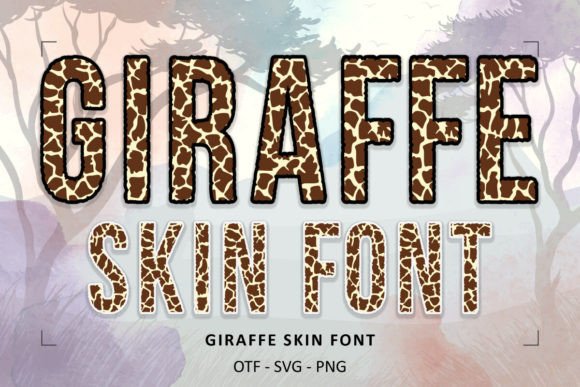
In the vast landscape of modern typography, finding a typeface that does more than just convey words—it tells a story—is a rare discovery. Giraffe Skin is one such creative font, immediately capturing attention with its most defining feature: the intricate, organic pattern of a giraffe's coat integrated directly into its letterforms. This isn't just a font with a textured overlay; it's a premium font where the very structure of each character is built from the warm, spotted pattern of giraffe hide. The result is a typeface that feels alive, carrying the warmth of the savanna and the elegance of one of nature's most majestic creatures.
At its core, Giraffe Skin is a display font, meaning its strength lies in headlines, logos, and short, impactful text rather than long body copy. Its visual personality is unmistakable: bold, textured, and full of character. The warm tones—typically rich tans, deep browns, and creamy off-whites—create a sense of organic luxury. The unique texture adds depth and dimension, making letters appear almost tactile. This gives it an inherent stylish and exotic flair, perfect for projects that aim to stand out with a natural, adventurous, or sophisticated vibe. It’s a font that doesn’t just sit on a page; it makes a statement.
Where This Unique Typeface Truly Shines
Understanding where Giraffe Skin excels is key to using it effectively. Its distinctive nature means it’s not a one-size-fits-all solution, but in the right context, it’s unparalleled. For brand identity, this font is a game-changer for businesses in the wellness, eco-tourism, luxury safari, high-end fashion, or artisanal goods sectors. Imagine it on a logo for an organic skincare line or the masthead of a boutique travel magazine—it instantly communicates a brand story of natural elegance, adventure, and premium quality.
In marketing and promotional materials, Giraffe Skin cuts through the noise. It’s exceptionally effective for event posters, social media graphics for product launches, and email headers where you need to grab attention in a split second. For packaging design, it can elevate a product on the shelf, suggesting that what’s inside is crafted with care and has a unique story. In editorial design, think of chapter titles in a coffee table book on wildlife or feature headlines in a lifestyle publication. It adds a layer of visual storytelling that complements the content.
Even in digital spaces, when used judiciously, it can make a website’s hero section or a blog’s featured image title incredibly memorable. For personal projects like wedding invitations for a destination wedding, custom scrapbooking, or craft projects, it adds a touch of bespoke artistry. The key is application: use it where its personality can breathe and where it supports, rather than overwhelms, the overall design goal.
Practical Guidance for Designers and Creators
Choosing and implementing a font like Giraffe Skin requires a thoughtful approach. First, always evaluate the project fit. Does the brand or project’s core message align with themes of nature, elegance, adventure, or artisanal quality? If the answer is yes, it’s a strong candidate. Next, consider readability. While perfect for headlines, the intricate texture means it’s not suitable for small body text. Pair it wisely with a clean, simple sans serif font or a neutral serif font for paragraphs to ensure your message remains clear and accessible.
Effective font pairing is crucial. A font like Giraffe Skin works best with a simple partner. Try pairing it with a modern sans serif like Montserrat or Lato for a contemporary feel, or with a classic serif like Lora or Merriweather for a more traditional, elegant contrast. The goal is to create visual hierarchy where the display font commands attention and the supporting font ensures legibility.
Before purchasing, review what’s included. Does the commercial font license cover your intended use? Are there multiple styles (like bold, regular, or light) to offer flexibility? Does it include multilingual characters or special glyphs you might need? Always test the font in your specific design context. Place it in your mockup, view it at the intended size, and see how it interacts with your color palette and imagery. Does it enhance the visual hierarchy? Does it feel professional and cohesive?
Ultimately, a font like Giraffe Skin is more than just a design asset; it’s a tool for storytelling. It influences brand perception by evoking specific emotions and associations. It can boost audience engagement by making designs more visually interesting and memorable. When used with intention and skill, it becomes a powerful element in your creative toolkit, helping to build recognition and add a layer of sophisticated, natural elegance to any project it graces. Whether you’re a designer, entrepreneur, or content creator, exploring its potential could be the first step toward your next standout design.