Bubble Street Graffiti: A Font That Brings the Party
Understanding the Energetic Appeal of This Creative Font
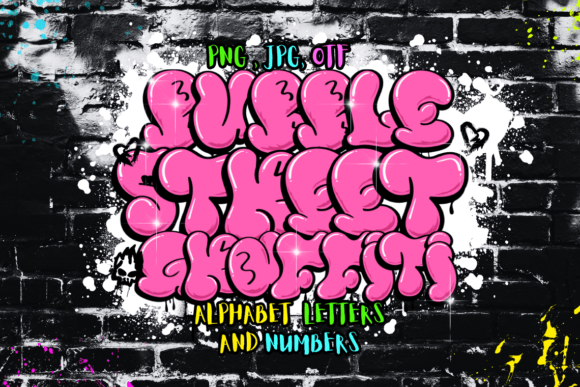
There’s a certain electricity to street art—the way a mural can stop you in your tracks, the bold confidence of a tag, the vibrant colors that seem to jump off a brick wall. Bubble Street Graffiti captures that exact energy and packages it into a usable, versatile design asset. At its core, this is a display font that mimics the classic "bubble letter" style of graffiti, but with a crucial modern twist: it’s a color font.
What does that mean for you? Unlike traditional typefaces that rely on a single color you apply later, Bubble Street Graffiti arrives with its own built-in palette and texture. The letters have a three-dimensional, almost tactile quality, with shadows, highlights, and color gradients that make them pop immediately. It’s not just a typeface; it’s a piece of pre-designed artwork. The personality is unmistakable—it’s playful, youthful, confident, and unapologetically loud. This isn’t a font for whispering a message; it’s for shouting it with style.
Where This Font Makes the Biggest Impact
Choosing the right tool for the job is half the battle in design. Bubble Street Graffiti isn’t your go-to for long paragraphs of body text in a corporate report, and that’s perfectly fine. Its strength lies in grabbing attention and setting a specific, dynamic tone. Think of it as your secret weapon for projects that need a burst of personality.
For brand identity and logo design, it’s a game-changer for brands targeting a younger, trend-aware audience. Imagine a streetwear label, a trendy juice bar, an indie game studio, or a music festival poster. This font instantly communicates a sense of fun, creativity, and counter-culture cool. In marketing, it shines in short, punchy headlines for social media graphics, Instagram Stories, or YouTube thumbnails. The built-in color and texture make visuals stand out in a crowded feed without requiring hours of extra graphic design work.
In editorial design and packaging design, it can be used strategically. A magazine feature on urban culture or a food product aimed at Gen Z could use Bubble Street Graffiti for its title or key call-outs to inject energy. For web design, consider it for hero section headlines or promotional banners where you want an immediate emotional hook. Even in personal projects—like birthday invitations, custom party decorations, or digital scrapbooking—it adds a celebratory, handmade feel that’s hard to replicate with standard fonts.
Practical Guidance for Using a Color Font Effectively
Integrating a premium font like this into your workflow requires a slightly different approach than using a standard sans serif font or script font. Here’s how to make the most of it.
First, compatibility is key. Bubble Street Graffiti is an OpenType-SVG color font. This means it works beautifully in professional design software like Adobe Photoshop and Illustrator. However, it’s important to note that the standard OTF/TTF files are not compatible with cutting machines like Cricut or Silhouette, or with some free design software. Always check the product details to ensure it fits your toolkit.
When it comes to font pairing, balance is everything. Because Bubble Street Graffiti is so visually dominant, it pairs best with simple, clean companions. A neutral sans serif font like Montserrat or Lato for your body text creates a professional contrast that lets the headline font shine without overwhelming the viewer. Avoid pairing it with other ornate display fonts or busy script fonts, as this will create visual chaos and hurt readability.
Readability, in fact, is a major consideration. Use this font for short bursts of text: headlines, logos, single words, or very short phrases. It’s not designed for lengthy sentences. Test your designs at various sizes to ensure the colorful details remain clear and legible. For web use, consider that color fonts can sometimes be larger in file size than standard fonts, so optimize your assets accordingly.
Finally, understand the licensing. If you’re using Bubble Street Graffiti for a client project or commercial product, ensure you have the appropriate commercial license. This protects both you and the font creator. Many design assets come with clear licensing terms, so review them before finalizing your project. This creative font is an investment in your project’s visual impact, and using it correctly ensures that investment pays off professionally and legally.
Ultimately, Bubble Street Graffiti is more than just a typeface; it’s a mood. It’s for the designer who needs to inject instant vibrancy, the marketer aiming for scroll-stopping content, and the entrepreneur building a brand with a bold voice. Used thoughtfully, it can elevate a design from ordinary to memorable, capturing the spirited essence of street art in every letterform.